Signs Wildlife Has Moved Into Your Attic, Walls, or Crawl Space
If signs wildlife has moved into your attic, walls, or crawl space, local service providers can identify the problem and safely remove the animals.
Discovering signs that wildlife has moved into your attic, walls, or crawl space can be a cause for concern for property owners. These indicators often include unusual noises, such as scratching or scurrying sounds, as well as the presence of droppings, nesting materials, or foul odors. Recognizing these signs early is important, especially for those living in areas where wildlife encounters are common, as it can help prevent further damage to the property and reduce health risks. Local contractors who specialize in wildlife removal are equipped to assess these signs accurately and provide effective solutions to safely evict the animals and restore peace to your home.
For property owners noticing these signs, exploring wildlife removal services can be a practical step toward resolving the issue. Local service providers understand the behaviors of local wildlife and can identify entry points, remove the animals humanely, and implement exclusion methods to prevent future visits. Whether it’s a raccoon in the attic or squirrels nesting in the walls, these professionals offer tailored approaches to address the problem efficiently. Keep reading to learn more about the common signs of wildlife intrusion and how trusted local experts can help protect your property from unwanted animal residents.
- Signs wildlife has moved into your attic, walls, or crawl space - homeowners may notice scratching sounds or strange odors indicating animal activity, and local contractors can assess the extent of the intrusion and remove the pests safely.
- Signs wildlife has moved into your attic, walls, or crawl space - the presence of droppings or nesting materials can alert residents to an infestation, prompting local service providers to inspect and identify entry points for wildlife.
- Signs wildlife has moved into your attic, walls, or crawl space - visible damage to insulation or wiring might be observed, and experienced contractors can perform humane removal and repair the affected areas.
- Signs wildlife has moved into your attic, walls, or crawl space - unusual noises during nighttime hours often indicate nocturnal animals, and local pros can determine the type of wildlife involved and develop a removal plan.
- Signs wildlife has moved into your attic, walls, or crawl space - foul odors or evidence of chewed materials can suggest animal presence, with local service providers offering inspection and humane removal solutions.
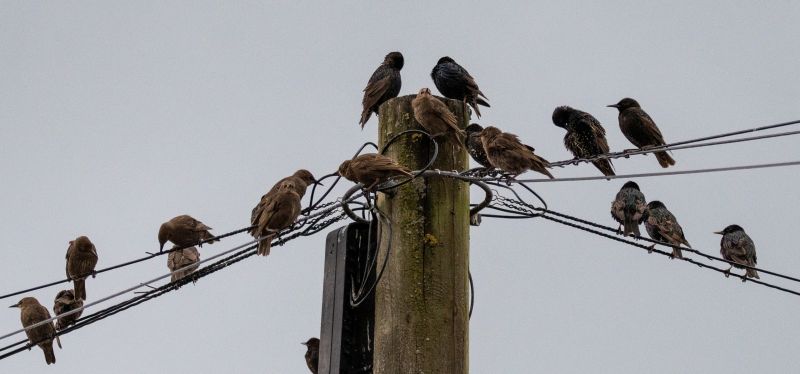
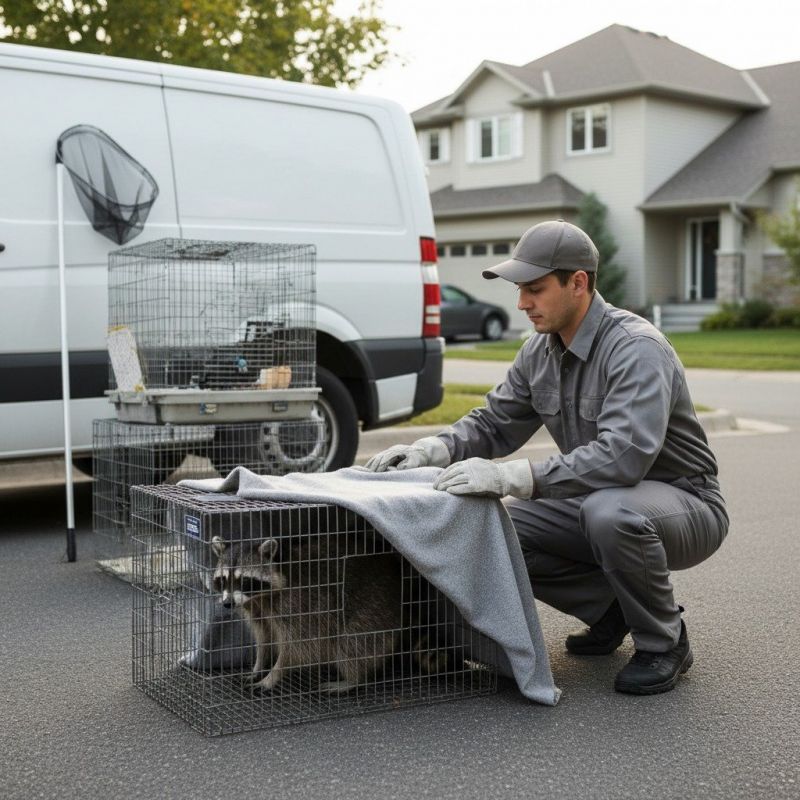
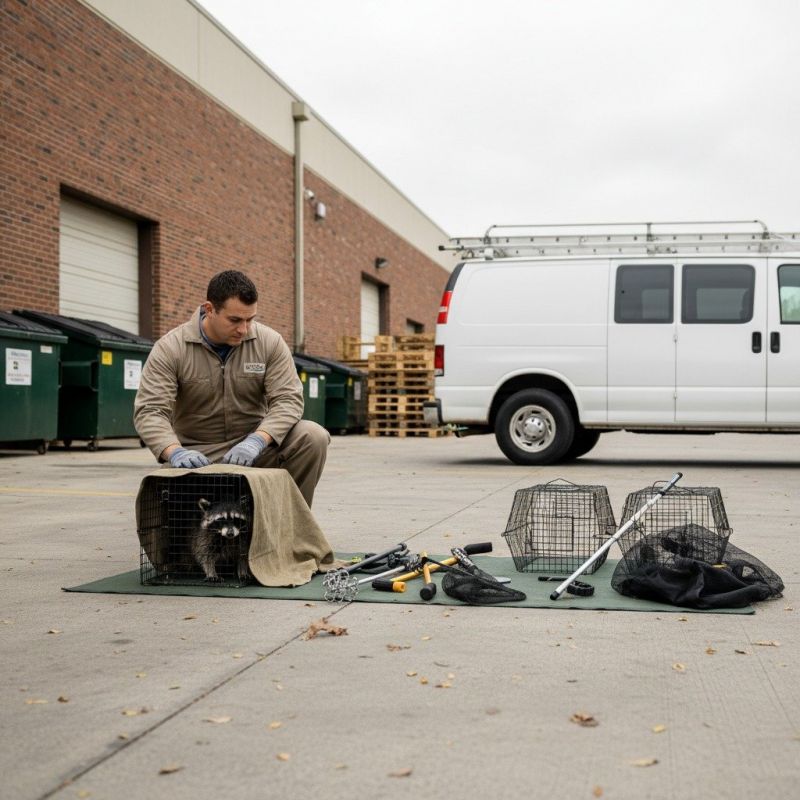
When homeowners notice unusual noises or disturbances within their homes, they often search for signs wildlife has moved into your attic, walls, or crawl space. This concern typically arises after hearing scratching, scurrying sounds, or loud thumps that seem to originate from above or behind walls. Other common indicators include strange odors, visible droppings, or staining on ceilings and walls. These signs suggest that animals such as raccoons, squirrels, bats, or rodents may have taken up residence in hidden parts of the property. Recognizing these early warning signs can help homeowners determine whether wildlife has established a presence inside the home, prompting them to seek professional assistance for safe removal.
The presence of wildlife in these concealed areas often leads to a variety of problems that can impact the property's integrity and the residents’ health. Animals nesting in attics, walls, or crawl spaces can cause structural damage by chewing through insulation, wiring, or wood framing. Their droppings and urine may create unsanitary conditions, potentially spreading diseases or attracting other pests like insects. Additionally, some wildlife species, such as bats or raccoons, can pose safety concerns due to bites or the risk of disease transmission. Many property owners consider these issues when planning a removal strategy, often consulting with local service providers who specialize in humane wildlife exclusion and removal to resolve the problem effectively.
Properties that typically encounter wildlife invasions include older homes with less secure entry points, as well as newer constructions with gaps or openings left during building. Attics are common targets because they provide secluded, quiet spaces for animals to nest undisturbed. Walls and crawl spaces can also serve as ideal hiding spots, especially if they contain accessible gaps or damaged areas. Residential properties in wooded or rural areas are more prone to wildlife intrusion, but urban homes are not immune-especially if they have overgrown trees or unsealed vents. Identifying the type of property affected can help homeowners understand the specific risks involved and guide them in choosing the right local contractors for removal and exclusion work.
Connecting with experienced wildlife removal service providers is a crucial step once signs wildlife has moved into your attic, walls, or crawl space are identified. These professionals understand how to safely and humanely remove animals and then seal entry points to prevent future invasions. They can also advise on mitigating damage caused by the animals and cleaning up droppings or nests. Since each property and wildlife situation can vary, working with local service providers ensures tailored solutions that address the specific needs of the home. Proper removal and exclusion are essential to maintaining a safe, animal-free living environment, making it worthwhile to seek expert assistance when signs of wildlife presence are detected.
Attic insulation installation - professionals often handle insulation projects that require access to attics, which may be compromised when wildlife has moved in, helping to restore energy efficiency and prevent future invasions.
Pest-proofing and sealing services - these services involve sealing entry points in walls and crawl spaces, which is essential after wildlife activity is detected to prevent animals from re-entering the home.
Structural damage repair - wildlife can cause damage to walls, roofs, and floors; local contractors can assess and repair structural issues resulting from animal activity.
Crawl space cleanup and restoration - experts can remove debris, animal droppings, and nesting materials from crawl spaces affected by wildlife, ensuring a clean and safe environment.
Vent and chimney screening - installing or repairing screens on vents and chimneys helps prevent wildlife from gaining access to attic or wall spaces.
Wildlife trapping and removal services - specialists can safely trap and remove animals that have taken residence inside walls, attics, or crawl spaces, preventing further property damage.
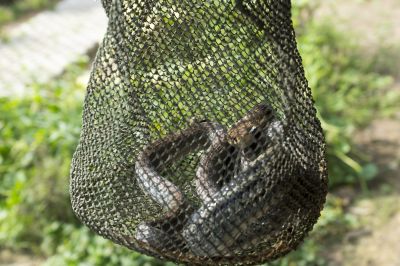
When evaluating wildlife removal services, it’s important to consider the experience of local contractors with similar projects. A service provider that has handled wildlife intrusions in attics, walls, or crawl spaces before is more likely to understand the unique challenges involved. Experienced professionals can recognize signs wildlife has moved into your home and recommend effective removal strategies based on their past work. This familiarity can help ensure that the job is done thoroughly and reduces the chances of recurring issues caused by overlooked entry points or incomplete exclusion methods.
Clear written expectations are essential when comparing wildlife removal services. A reputable service provider should be able to outline what the process will involve, the steps to safely remove wildlife, and any necessary follow-up measures. Having these details in writing helps homeowners understand what to expect and prevents misunderstandings. It also provides a point of reference should questions arise during or after the project. When reviewing options, look for contractors who communicate their procedures transparently and are willing to clarify any aspects of the work involved.
Reputable references and good communication are key indicators of a trustworthy wildlife removal service. Service providers that can offer references from previous clients demonstrate a track record of successful projects. Additionally, clear and responsive communication during the initial inquiry process can reveal how well a contractor understands the homeowner’s concerns and how effectively they convey their plans. Choosing a local contractor who values open dialogue and can provide references ensures confidence that the wildlife intrusion will be addressed professionally and with attention to detail.
Property owners often search for signs wildlife has moved into your attic, walls, or crawl space when they are planning practical projects around their homes and businesses. Local pros provide Wildlife Removal services for everyday jobs and straightforward project options.
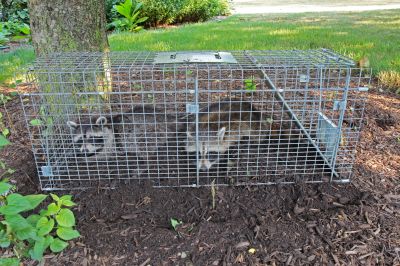
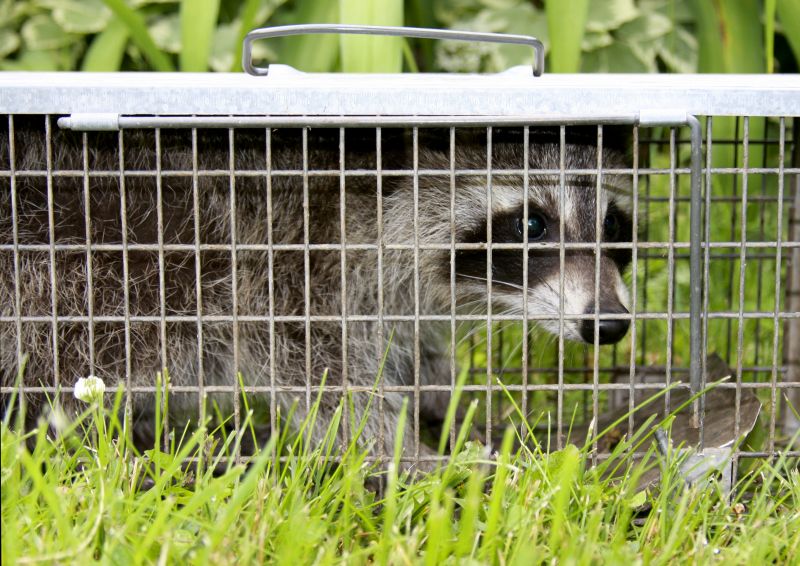
Homeowners in the area often notice subtle signs that wildlife has moved into their attic, walls, or crawl space. Unusual noises such as scratching, scurrying, or squeaking are common indicators, especially during quiet times of day or night. Additionally, droppings, nesting materials, or damaged insulation can point to animals like rodents, raccoons, or squirrels taking up residence inside a property. Recognizing these signs early can help property owners determine when it’s time to seek assistance from local contractors experienced in wildlife removal.
When signs of wildlife infiltration become apparent, many property owners consider professional services to handle the situation safely and effectively. Local contractors who specialize in wildlife removal can assess the extent of the intrusion, identify the species involved, and implement humane strategies to remove the animals. Engaging with experienced service providers ensures the problem is addressed properly, reducing the risk of further damage and preventing future invasions.
What are common signs wildlife has moved into your attic, walls, or crawl space? Unusual noises, such as scratching or scurrying sounds, along with droppings or nesting materials, can indicate wildlife presence in these areas.
How can I tell if animals have entered my walls or attic? Visible damage like chewed wiring, holes, or vents, as well as foul odors or evidence of bedding, are signs that wildlife may have taken up residence.
Are there specific signs that suggest wildlife is active in my crawl space? You might notice increased humidity, foul smells, or the presence of tracks and droppings, which can point to animal activity underneath your home.
What should I do if I notice signs wildlife has moved into my property? It’s recommended to contact local contractors who specialize in wildlife removal to assess the situation and safely handle the intrusion.
Why is it important to address signs of wildlife in my home promptly? Early intervention can prevent property damage, reduce health risks, and ensure wildlife is removed safely and humanely by experienced service providers.
Identify entry points - inspecting your property for small holes or gaps can help determine where wildlife may be gaining access, guiding the work of local contractors to seal these openings.
Monitor for signs of activity - listening for scratching or scurrying sounds in walls or ceilings can alert property owners to the presence of wildlife needing removal services.
Check for droppings and damage - noticing droppings, chewed materials, or nesting debris can indicate wildlife has moved into your attic, walls, or crawl space, prompting professional assessment.
Assess insulation and structural damage - damaged insulation or weakened structural elements can be signs wildlife has been nesting or causing harm, which local service providers can address during removal and cleanup.
If you are thinking about signs wildlife has moved into your attic, walls, or crawl space for a property, this guide is meant to help you understand this topic, the typical project types, and how different options might fit your plans.
When you are ready, you can use the quote form on this page to share a few details about your project. From there, local pros can review the basics and follow up with options that match what you have in mind.