Compare Local Contractors for Small Animal Removal Services
Compare local contractors for small animal removal to define the scope, verify experience, and set clear expectations in writing for a successful job.
Small animal removal services typically cover the identification and safe removal of unwanted wildlife such as raccoons, squirrels, bats, and other rodents that may invade residential or commercial properties. These contractors often handle activities like inspecting structures for entry points, trapping or excluding animals, and securing areas to prevent future intrusions. The scope of work can also include repairs to damaged building components, sealing gaps, and implementing preventative measures to reduce the likelihood of repeat visits. Understanding what specific services are included helps property owners ensure that all aspects of the animal intrusion are addressed effectively.
Defining the scope of work is a crucial step when working with contractors for small animal removal. Clear communication about what tasks are expected-such as whether the job involves just removal or also includes repairs and exclusion work-can prevent misunderstandings and ensure that the project meets expectations. Property owners should verify that service providers outline the procedures they will use, the areas they will cover, and any follow-up actions needed. Having these details in writing can serve as a reference point throughout the project, promoting transparency and accountability.
When comparing local contractors for small animal removal, property owners should consider factors such as experience, reputation, and the range of services offered. It’s helpful to review any available credentials or references, and to ask about the methods they use to ensure humane and effective removal. Additionally, understanding how each provider approaches scope definition and communication can make a difference in selecting a suitable service provider. Gathering information about their process and clarifying expectations upfront can support a smoother working relationship and help ensure the job is completed to the property owner’s satisfaction.
Compare local contractors by outlining your priorities, verifying experience, and setting clear expectations in writing.
- Verify Experience and Credentials - Ensure service providers have relevant experience and clear scope definitions for small animal removal.
- Compare Local Contractors - Review multiple service providers to assess their expertise and approach to the job.
- Define Scope in Writing - Clearly outline the work to be performed, including removal methods and property cleanup.
- Check for Transparent Communication - Confirm that service providers communicate expectations and procedures effectively.
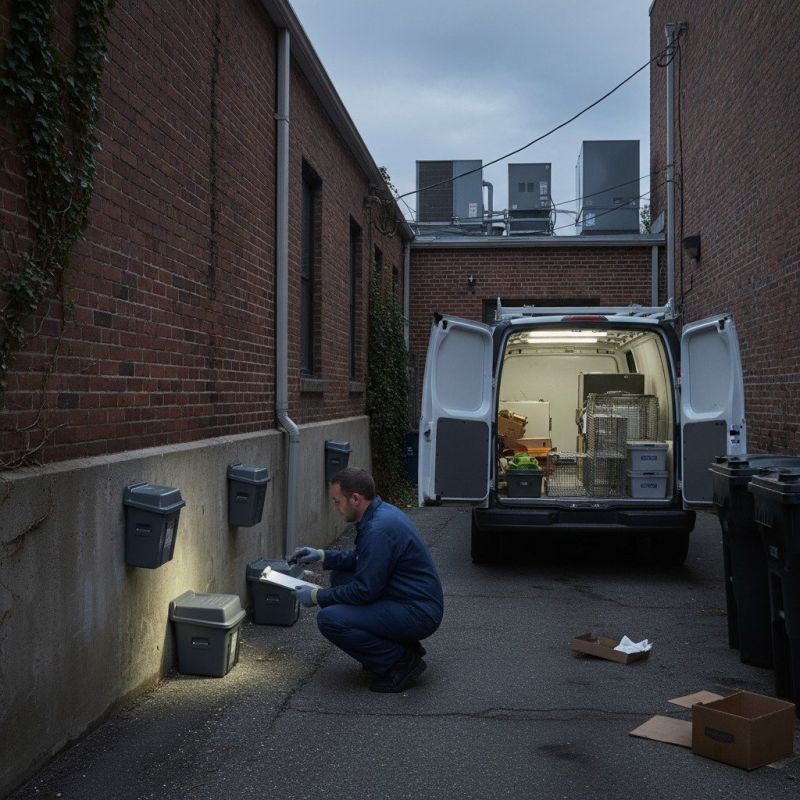
Clearly describe your project scope and compare local contractors to ensure expectations are aligned before choosing a service provider.
- Identify the types of small animals the contractor has experience removing to ensure they can handle the specific issue. - Verify that scope of work is clearly defined in writing to avoid misunderstandings.
- Check for references or reviews that demonstrate the contractor’s experience with small animal removal projects. - Ensure the contractor assesses the property thoroughly to locate all entry points and nesting areas.
- Confirm that the contractor uses humane and effective methods for animal removal and exclusion. - Clarify what post-removal cleanup and property repairs are included in the scope of work.
- Discuss the process for identifying entry points and sealing them to prevent future infestations. - Make sure the contractor provides a detailed written estimate outlining the scope and expectations of the job.
- Ensure the contractor is prepared to handle the removal safely and in accordance with local regulations.
Compare local contractors to clarify scope, verify experience, and set clear expectations in writing.
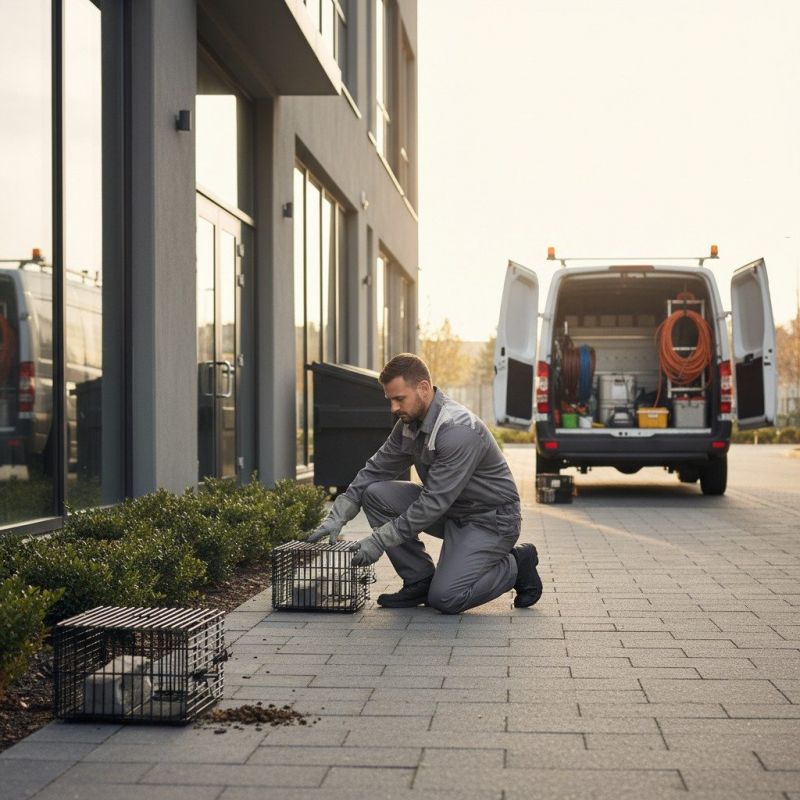
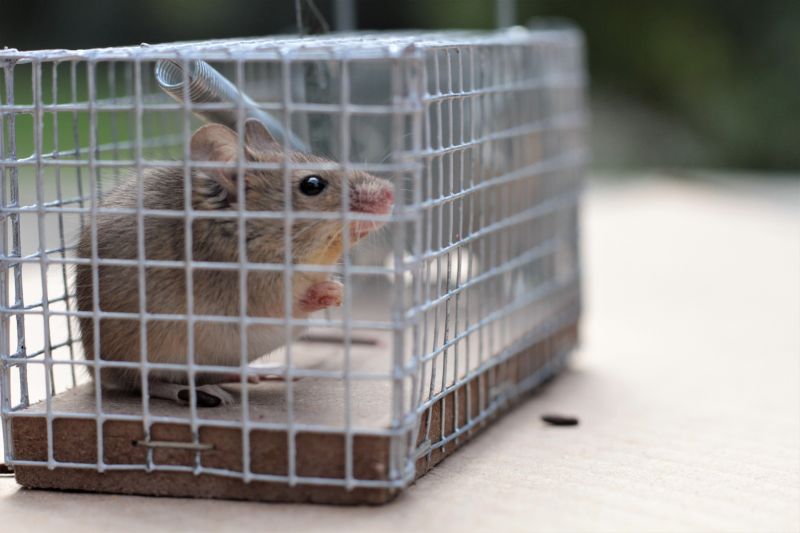
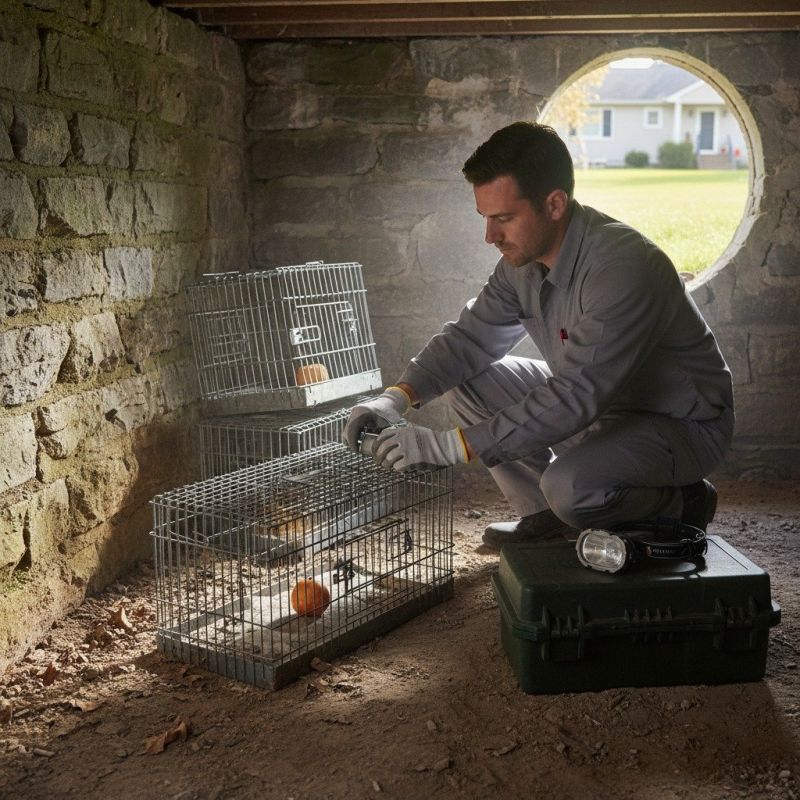

This scope builder helps compare small animal removal contractors by standardizing scope, experience verification, and written expectations.
- Scope Definition - Clearly outline the specific types of small animals to be removed and the areas affected.
- Experience Verification - Confirm that service providers have relevant experience with small animal removal techniques.
- Methodology Clarification - Specify the removal methods and any follow-up procedures to ensure proper execution.
- Material and Equipment Use - Identify the tools and materials that will be employed during removal to ensure safety and effectiveness.
- Written Agreement - Ensure all scope details, responsibilities, and expectations are documented in a formal agreement.
When comparing contractors for small animal removal, it is important to evaluate their experience with similar projects. Service providers with a history of handling wildlife removal in residential settings are more likely to understand the nuances of different situations, from attic invasions to crawl space intrusions. Asking about the types of animals they have removed and the environments they have worked in can help gauge their familiarity with the challenges specific to your property. This background can contribute to a smoother process and reduce the likelihood of unexpected complications.
A clear, written scope of work is essential when assessing potential contractors. This document should specify the methods to be used, the areas involved, and the steps that will be taken to ensure the animals are removed safely and humanely. Having a detailed scope helps prevent misunderstandings and provides a basis for evaluating whether a service provider’s approach aligns with your expectations. It also creates a reference point for any future discussions or clarifications, ensuring that both parties are on the same page from the outset.
Verification basics involve confirming that the contractor’s experience aligns with your specific needs and that their proposed plan covers all relevant aspects of the project. This includes understanding their approach to identifying entry points, sealing gaps, and preventing future invasions. Requesting references or examples of past work can provide insight into their reliability and effectiveness. Verifying that the contractor has a thorough understanding of small animal behaviors and removal techniques ensures that the project will be handled competently and ethically.
Evaluating options without focusing on prices involves considering the quality of service, clarity of communication, and professionalism of each contractor. Look for detailed proposals that outline the scope and methods, and assess how well each service provider explains their process. Pay attention to how responsive and transparent they are during initial discussions. Comparing these factors allows for an informed decision based on the contractor’s expertise, approach, and communication style, helping to select a provider capable of delivering effective and humane small animal removal services.
Request written scope and expectations to ensure clarity and consistency when comparing small animal removal contractors.
- Scope of Services - What specific tasks are included in the small animal removal services offered by different contractors?
- Experience and Expertise - How do local contractors demonstrate their experience with small animal removal projects similar to the scope needed?
- Methods and Techniques - What removal methods do service providers use, and how do they ensure humane and effective removal?
- Scope Clarification - How do contractors define the extent of work, such as damage repair or exclusion, within their service offerings?
- Written Agreements - Do service providers provide clear, detailed written descriptions of the scope and expectations before starting work?
How can I compare contractors for small animal removal? To compare contractors, review their experience, verify references or reviews, and ensure they clearly define the scope of work in writing.
What should I look for when choosing a small animal removal contractor? Look for contractors who specify their methods, provide detailed service descriptions, and have a history of handling similar removal projects.
How important is it to define the scope of work with a contractor? Clearly defining the scope helps set expectations, prevents misunderstandings, and ensures all parties agree on the services to be provided.
What questions should I ask a contractor before hiring for small animal removal? Ask about their experience with similar animals, the removal process they use, and how they handle cleanup and prevention efforts.
Why is it recommended to get work in writing when hiring a contractor? Having the scope, methods, and responsibilities documented helps protect interests and provides a clear reference for the project.
How can I verify a contractor’s experience with small animal removal? Request references, review past work, or seek testimonials to confirm their familiarity and skill with the specific removal needs.
This page has provided an overview of how to find and compare contractors who specialize in small animal removal. Visitors learned the importance of defining the scope of work, verifying the experience of service providers, and setting clear expectations in writing to ensure a smooth process. By exploring local contractors and understanding these key points, homeowners can make informed decisions when seeking assistance for their needs.
Using the provided quote form allows visitors to quickly connect with local service providers who handle small animal removal. Comparing options through this process helps identify the right contractor based on experience and scope, making it easier to choose a professional that aligns with specific requirements.